
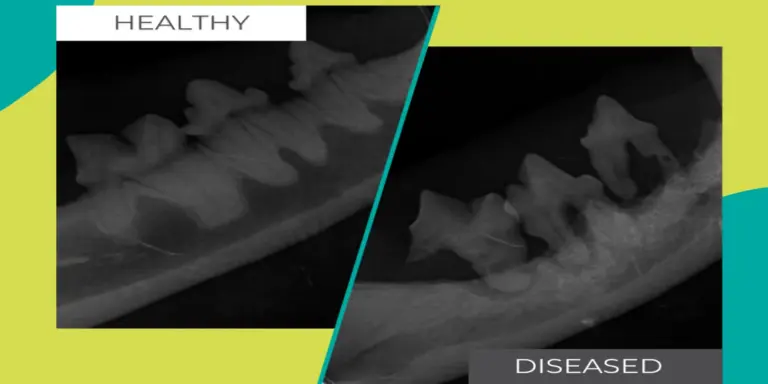
Understanding Dental Diagnoses: How Modern Dentistry Identifies Oral Health Issues
When you step into a dental office, you might only notice the bright overhead light and the sound of instruments. Behind the scenes, however, your dentist is executing a complex diagnostic process. Diagnosing dental problems is a highly systematic science. It relies on a combination of patient history, visual cues, tactile feedback, and advanced imaging technology. Understanding how these pieces come together can help demystify your next checkup and highlight the critical importance of regular dental visits.
The Initial Consultation and Symptom Analysis
The diagnostic journey begins with communication. Your dentist will start by asking about your medical history and any current symptoms. You might discuss the exact location of any pain, its severity, and specific triggers, such as hot, cold, or sugary foods. This phase is crucial because different types of pain point to different problems. For instance, sharp, sudden pain when biting down often suggests a cracked tooth or a loose filling. On the other hand, a dull, lingering ache might indicate that a deep cavity has reached the living nerve inside the tooth pulp.
Visual and Tactile Assessments
Once the verbal consultation is complete, the physical examination begins. Dentists use specialized mirrors and probes to inspect every corner of your mouth. They look for surface-level indicators of disease, such as tooth discoloration, visible holes, and plaque buildup.
During this step, tactile feedback is just as important as sight. A dentist will gently tap or press on certain teeth to check for sensitivity, which can reveal underlying inflammation. They also look closely at your soft tissues. Healthy gums are pink and firm. Red, swollen, or bleeding gums are immediate visual warning signs of gingivitis or more advanced periodontal disease.
Peering Beneath the Surface with Technology
Many dental issues hide completely out of sight. Cavities often start between the teeth where a mirror cannot reach, and infections can brew deep inside the jawbone. To see the unseeable, dentists rely heavily on diagnostic imaging:
- Bitewing X-rays: These target specific clusters of upper and lower teeth, making them ideal for spotting early-stage decay between teeth.
- Panoramic X-rays: These provide a broad, sweeping view of your entire mouth, capturing all your teeth, the jawbones, and the sinuses in a single image.
- Periapical X-rays: These focus closely on one or two teeth from the crown all the way down to the tip of the root embedded in the bone.
Advanced clinics may also utilize intraoral cameras to show you real-time, high-magnification images of your teeth on a screen, or digital scanners to create precise three-dimensional models of your bite.
Early Detection Saves Teeth
The ultimate goal of dental diagnostics is early intervention. When a problem like a cavity or gum disease is caught in its earliest stages, the treatment is typically simple, non-invasive, and affordable. Waiting until a tooth hurts usually dr. hanna dentist means the underlying condition has progressed, requiring more complex procedures like root canals, crowns, or oral surgery. By combining clinical expertise with modern technology, dental professionals can catch these issues long before they cause you pain.